2017: Some of my fountain pen highlights.

20170218_140726
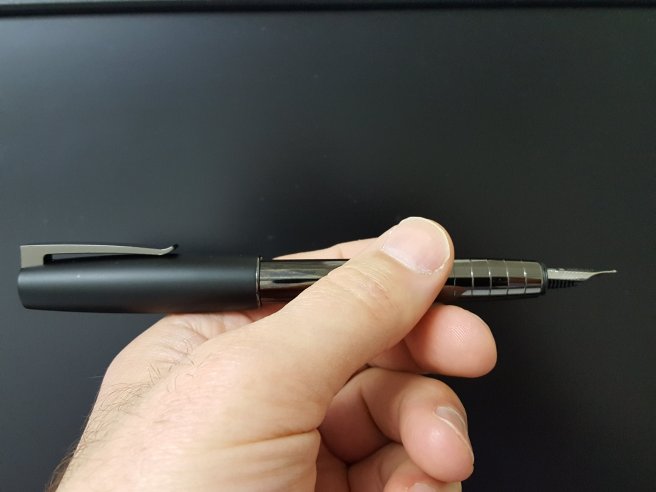
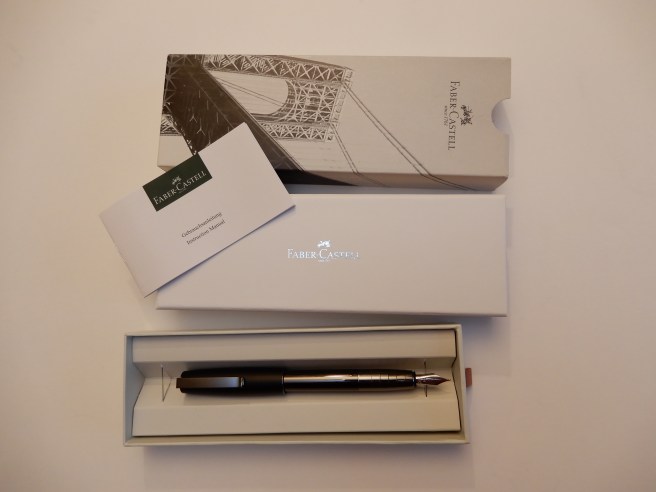
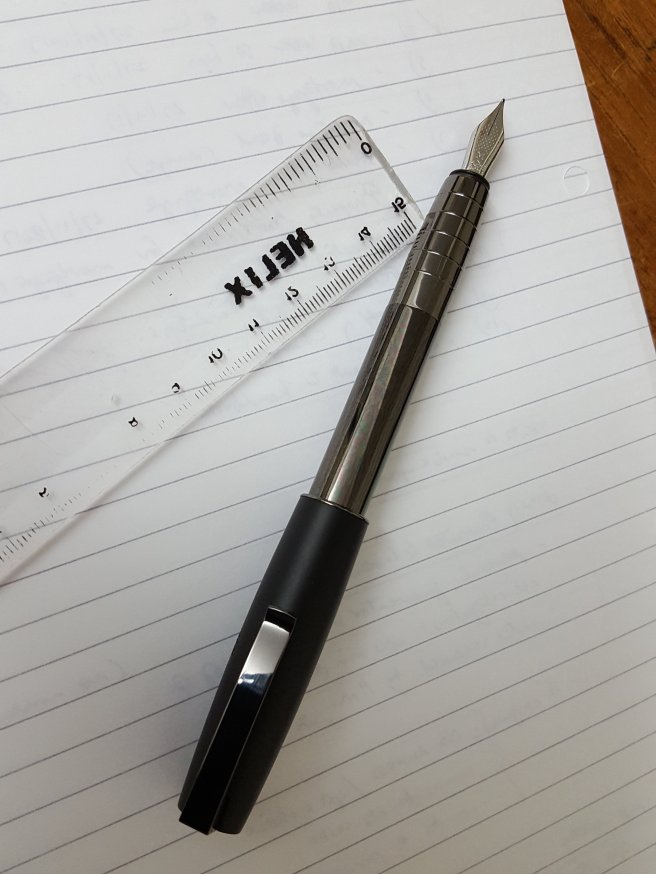
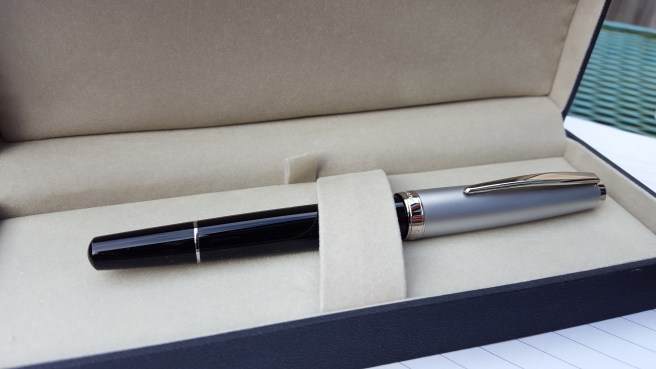
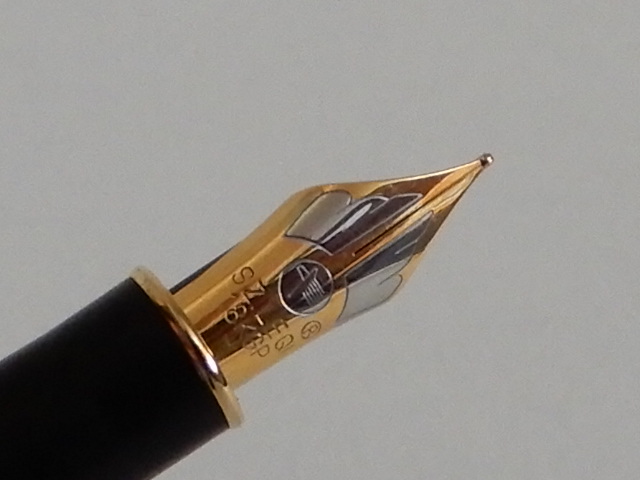
Cleo Skribent Classic Metal piston filler. Gorgeous.

As the year draws to a close, it is time to reflect on some of the year’s highlights of my fountain pen hobby.  In what was a busy and eventful year, this is a continuing source of relaxation and enjoyment. I include in this, not only using fountain pens but all the related activity of filling, cleaning and general tinkering with pens; hours of pen, ink and paper sampling; reading and writing about new pens, photographing them and shopping for pens and supplies.

Before writing this, I looked at my end of year review from 2016. During that year I had bought 40 new pens for myself and concluded that in 2017, I expected to buy a lot less. Oh dear. Let me admit right away that this did not happen.

I have kept a record of pen acquisitions. In 2017, the gross number acquired, was 52 (gasp). That sounds like one every week. I can imagine detectives in an incident room, huddled around a map and predicting when and where I am likely to strike next.

Well, it wasn’t quite like that. Two were for bought for other people. Another, a Visconti, I returned the following day as I decided that I was not suited to it, and so that doesn’t count. Then towards the end of the year, while on holiday in China I was given two pens by a cousin and eight, mostly Heroes, from an uncle who was a retired teacher, who insisted that he did not need them anymore.   So that brings it down to 39.

And of these, only three (the ones with gold nibs) cost over £100.00 and the most expensive was £159. These were the vintage Pelikan M400, Sailor Magellan Lapis Lazuli and the Cleo Skribent Classic Gold.  My total pen spend came to around £1,300.00. Many of the pens cost little more than a trip to a cinema or a meal out and have given me hours of enjoyment. Some were in sales at irresistible prices.

Anyway, without further excuses, here are some highlights, in no particular order.

New Pens

In view of the number, I am not going to post one photograph showing them all. It would be a bit like seeing all the food I have eaten in a year.

To summarise the main acquisitions by brand, these are:

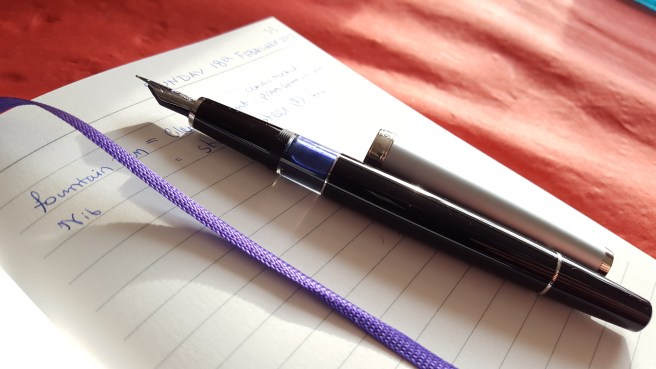
  • Cleo Skribent: (2) – Classic Metal and Classic Gold. I am delighted with them both. The nibs, whether steel or gold, are wonderful.
  • 20170219_090125
    Cleo Skribent Classic Metal piston filler.
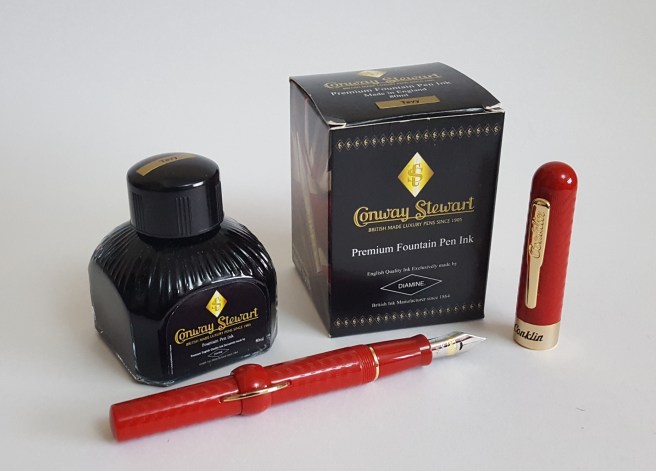
  • Conklin: (2) – Mark Twain Crescent Fillers, in coral chase and red chase, from the London pen show. Lovely to use and to fill.
  • 20171007_101513
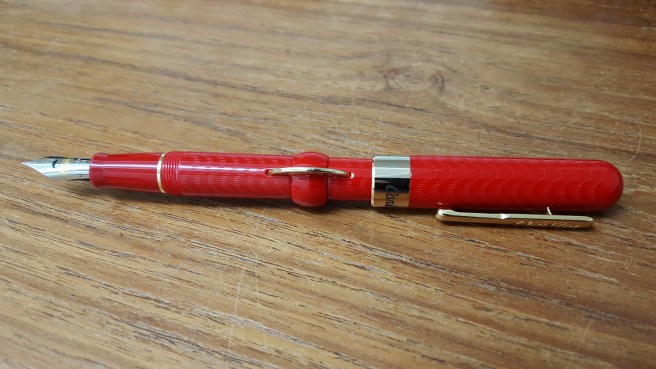
    Conklin Mark Twain crescent filler, in red chase.
  • Faber Castell: (2) a pair of cheap school pens, one red and one blue, with good nibs.
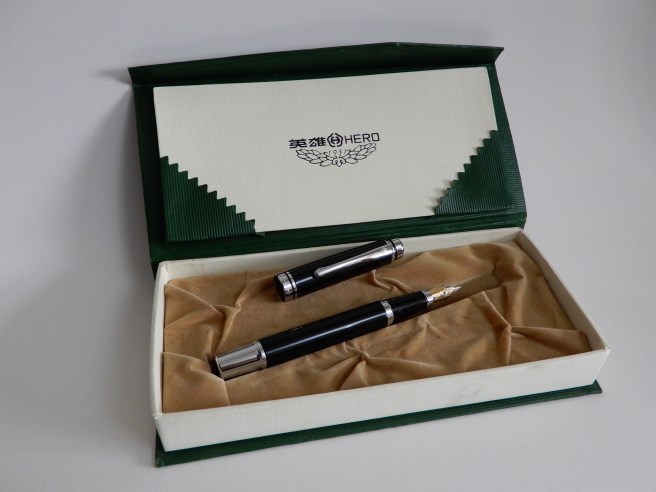
  • Hero (9): either bought or given to me while in China.
  • Kaweco (5): I bought the Allrounder, the Dia2, two of the newly released Perkeos and one Sport Skyline Mint. Of these, the Dia2 is my favourite and one of the most comfortable and reliable pens I have, at any price. The Perkeos have grown on me, as I like the length and the slightly bouncy nibs. The aluminium Allrounder is well made and solid, but for just slightly more money, I would still prefer the Dia2.
  • 20171027_004044
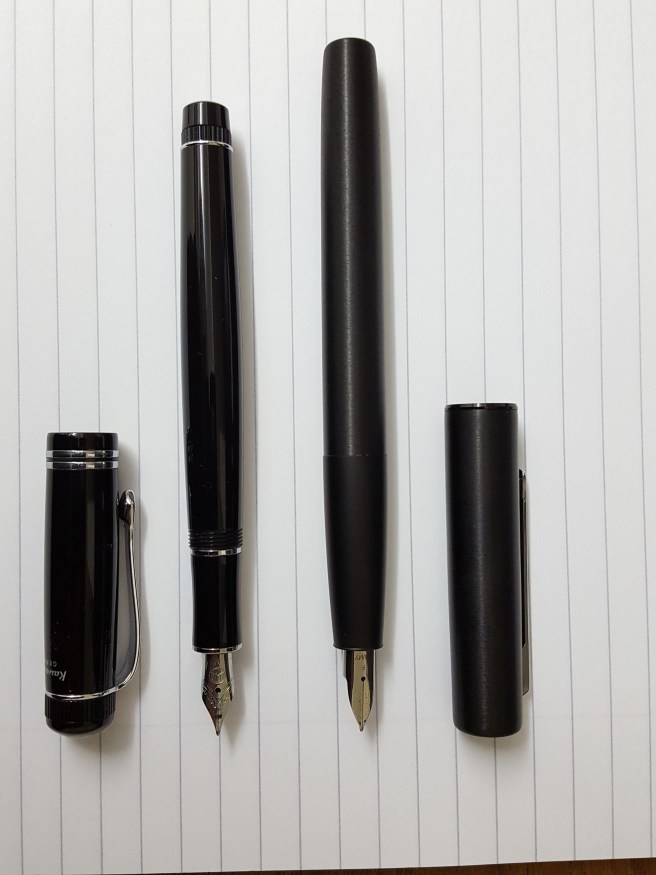
    Kaweco Dia2. Pretty much the ideal pen for me and a firm favourite of 2017.
  • Lamy (5): I picked up the new 2017 special edition Safari in Petrol and AL-Star in Pacific Blue. Both came with a pack of matching cartridges. I was more thrilled with the Petrol (dark teal) with its lovely shading and closely matched pen and ink, although in practice, I did not use it very much. The Aion was a journey; I read and watched lots of online reviews, deliberated over the grip and then succumbed. I posted some thoughts on it at the time. I do like it but find that it needs a different way of writing; you need to “let go” and not grip too firmly as the surface won’t let you.
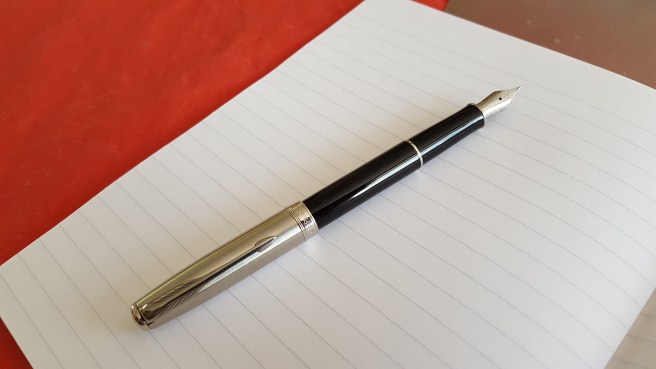
  • Parker (4): I bought three Sonnets, because they were greatly reduced in a Rymans sale. I got one in red and gold, one in black and one in brushed stainless steel. I rather like using the black one with the cap from the brushed stainless steel one. Then in November I picked up a simple, blue plastic Parker Reflex which writes effortlessly. I read that the caps are prone to cracking in time but I am not worried as I have already found several other pen caps which would fit if need be (such as a Kaweco Sport).
  • 20170902_144405
    Black Parker Sonnet, with the cap from the brushed stainless steel model. “Let me not to the marriage of two pens, admit impediments.”
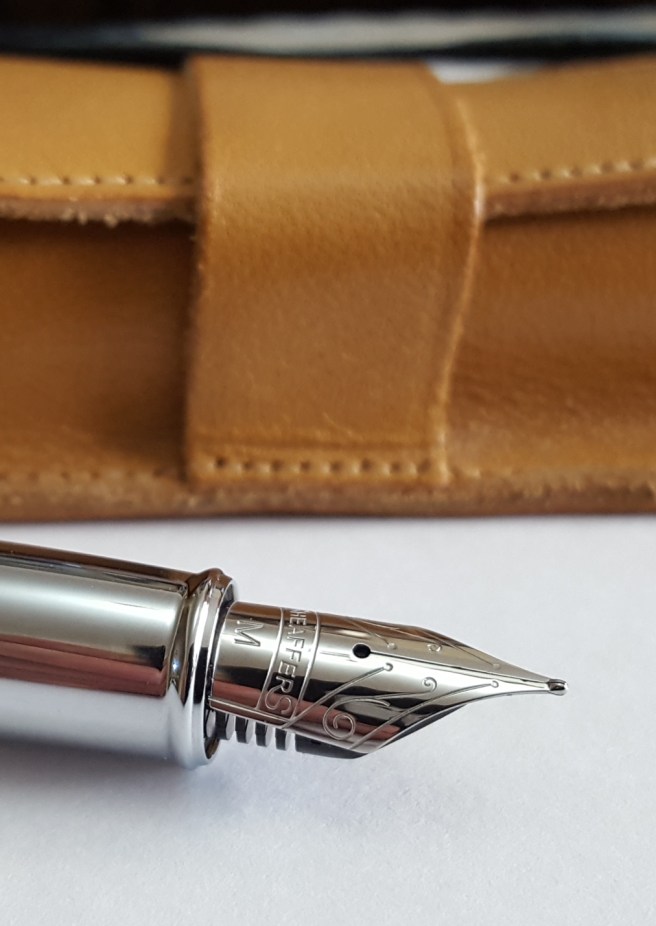
  • Sheaffer (4): I bought a Sheaffer 100 with Translucent Blue barrel and steel cap, which I think looks stunning and has a good nib. It looks more attractive than its modest £35.00 cost would suggest. I also bought another Sagaris (medium) in black, since I like my burgundy one so much. Then I spotted the Sheaffer Pop in blister packs, reduced to half price and bought two.
  • 20170817_220846
    Sheaffer 100 translucent blue. That nib though!
  • TWSBI (2): I bought an Eco with a fine nib and a new Classic in white with medium nib. These are both great, as low-cost, high-capacity piston fillers and both perform well. I now have four different TWSBIs in all.

So, in number, Hero were the pens that I got the most of this year, although many were gifts. Of my purchases, Kaweco and Lamy were the brands that I bought the most of (with five of each) closely followed by Parker and Sheaffer both on four.

New old pens

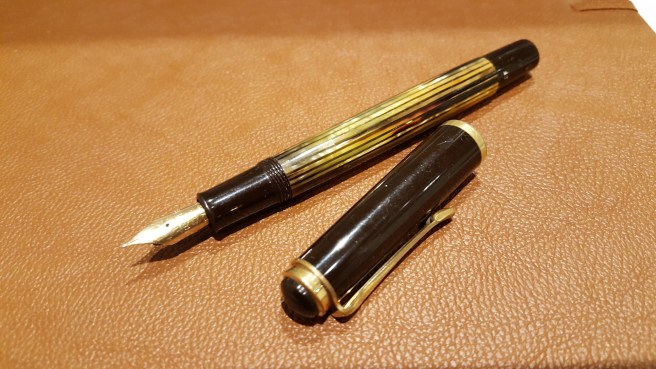
I bought a vintage Pelikan M400 tortoise at auction, with a fine and rather flexy 14k gold Rover nib. I enjoyed cleaning this and was thrilled when after a night’s soaking in water, I was able to unscrew the nib and ebonite feed. At the same auction, buoyed by my newfound bidding success, I went on rather impulsively to bid for a Sailor Magellan Lapis Lazuli, limited edition, with a 21k zoom nib.

20170119_211024
Pelikan M400 vintage, tortoise. My first auction purchase.

Writing

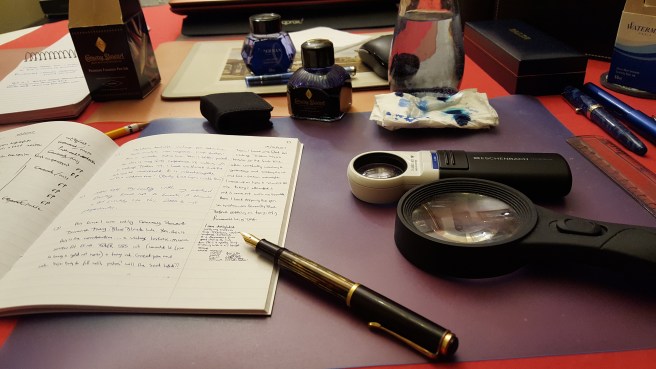
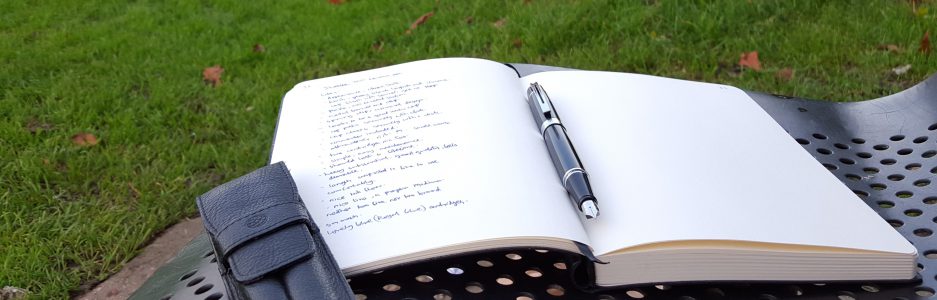
I have kept a diary for years. This year, I used an A5 page a day diary from Rymans. I find that the best time for me to write is early in the morning, to write up my record of the previous day. I used my Pelikan M800, with Graf von Faber-Castell Cobalt Blue, a favourite combination.  I also finished writing up a volume of memories, purely for my own amusement, of being at boarding school in England in the 1970’s. For this I used a selection of different pens and inks over the year, really as a writing exercise and at the same time, to try out pens and inks for longer writing sessions with some sort of purpose, rather than writing “The quick brown fox jumps over the lazy dog.”   I also enjoy writing letters and picking up whatever pen I fancy from the pen cup.

One pen, one ink, one hour

I have struggled all year with the dilemma of having too many fountain pens inked at once. Do you keep them all in use until you write them dry, or strive for an impressively minimal number of pens in the cup at the expense of flushing away good ink ? I am now less fussy than I was, about washing pens half full of ink but even so, I think my pen cup occupancy peaked at around thirty at one point.  Part of me longed for the days when I possessed only one pen and one ink. As a break from having too many pens to hand, I made up an activity which I cleverly named “One pen, one ink, one hour” which involves retreating, generally to a coffee shop and then writing more or less continuously in a notebook for an hour, with one pen. It is a good test of how a pen feels, whether the shape or the weight make your hand ache, how the feed keeps up and how you like the nib and the ink. You can write about anything, the pen itself, the fellow customers or whatever you like. No one is going to read it, thankfully.

Giving pens and advice

I mentioned that I bought a couple of pens for other people. One was a Kaweco Dia2, for my neice’s birthday. I had bought one for myself earlier and was so utterly delighted with it that I wanted to spread the joy. It is one of my favourite new pens of the year, along with the two Cleo Skribents and Conklin Crescent fillers. Another pen bought for someone else, was a Manuscript Clarity, requested by a reader of my blog, living in Vietnam.

In the summer I was flattered to be asked secretly by a cousin, to advise her on buying a fountain pen for her husband on their wedding anniversary. That would be my dream question in an exam. I sent back rather a long reply but narrowed it down to about three suggestions, based on the budget. In the end, she ordered a Pelikan M600 in blue with a fine nib. Later she sent me the most beautifully written thank you note, in her cursive italic handwriting, written with the pen that she had chosen and which was a great success.

Fountain pen blog

This blog celebrated its first birthday on 5 November 2017. Born in a few hours of playing on the WordPress web site, it was a bold step into the unknown. I had aimed loosely to post about once a week, just writing about whatever pen-related topic interested me. Now, I have just passed 50 posts. The number of followers gradually grew, roughly in tandem with the number of posts. I find the whole experience, of writing and publishing posts and getting feedback from readers, most enjoyable. This week the total views nudged past 7,000 and from over 80 countries, which I find astonishing.  I am not trying to boast here as I am sure many reading this have far higher numbers, but I am genuinely amazed at this exposure. In the summer, I published two posts about the newly released Kaweco Perkeo and these have between them been viewed over 900 times, largely because someone on FPN kindly put a link to my post in his.

Meeting people

It is easy to spend too long online reading about pens, what with WordPress, Instagram, YouTube and various online pen shops, such as Cult Pens and The Writing Desk. So it is particularly nice when the opportunity arises to meet pen people. This year, I attended my first Pelikan Hub event in September, which I enjoyed, closely followed by the London Writing Equipment Show in October when I came away with five new pens. Then in November, I met some of the same people at the monthly gathering of the London UK Fountain Pen Club.

Travelling with ink

When the opportunity arises, I enjoy looking in stationery shops overseas to see a different range of pens. I was interested to shop in China while on a holiday earlier this month, as covered in my most recent posts.

Conclusions

For me, this is the continuation and escalation of a hobby that began when I was about ten years old. The fountain pen community, I find, are very decent and not judgmental of others. Perhaps we are our own fiercest critics and there is a lot of self-guilt which goes with buying too many pens. Our favourite pen, when asked, is often “the next one”. It is addictively enjoyable, when it goes well. But I am reminded of lines in the song Beauty for brokenness (Graham Kendrick), which read “Lord end our madness, carelessness, greed;  make us content with the things that we need.” I am aware that my accumulation of pens (I haven’t mentioned the thirty or more new notebooks that I have “in stock” and the drawer full of ink) is hard to justify, even to myself. Indeed there are times when I would prefer to have fewer and appreciate them more, as in my coffee shop exercise. For 2018, I will simply repeat 2017’s resolution, to aim to buy a lot less pens and use and appreciate those that I have, all the more. Wish me luck, everybody.

Happy New Year to all and thanks for reading.

20170119_221627
Tinkering with the tortoise.


Travelling with ink, China 2017. Part 3: The Pens from Uncle

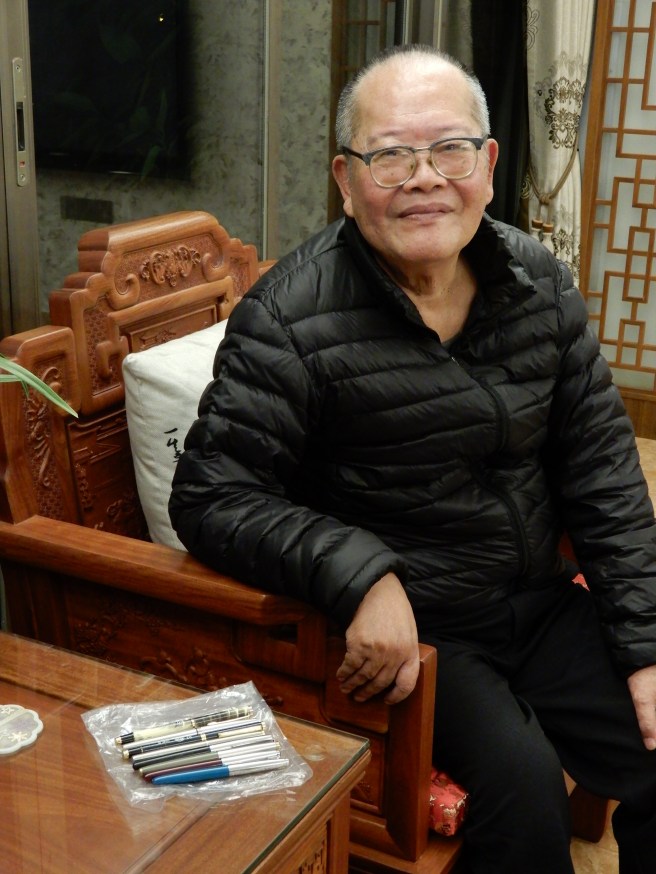
During a recent holiday to visit my wife’s relatives in China, I was given a bag of eight old fountain pens, by an elderly uncle who assured me that he had no further use for them.

DSCN1460 (2)
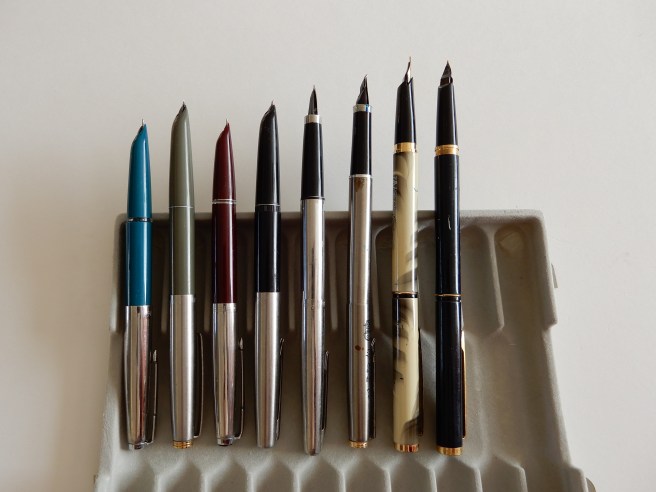
From left to right: 1. Hero 716 (teal); 2. Hero 329 (grey); 3. Hero 616 (burgundy); 4. Hero, black (number unknown); 5. Hero 443 chrome; 6. Brushed stainless steel pen with fude nib, make unknown; 7. Jin Rong; 8 Jin Rong.

Over the Christmas holidays I have had a chance to have a play with these and try them all out. All were Chinese made pens, all with steel nibs and all with the Parker 51 Aerometric style (squeeze bar) filler. Four of them are what I loosely call Parker 51 copies, with the distinctive hooded nib, resin barrel and section and a metal cap. It is perhaps not correct to describe them as copies since they are unashamedly branded as Hero pens of various models and not all even have the arrow clip. However the origins of the design are unmistakable.

RSCN1463
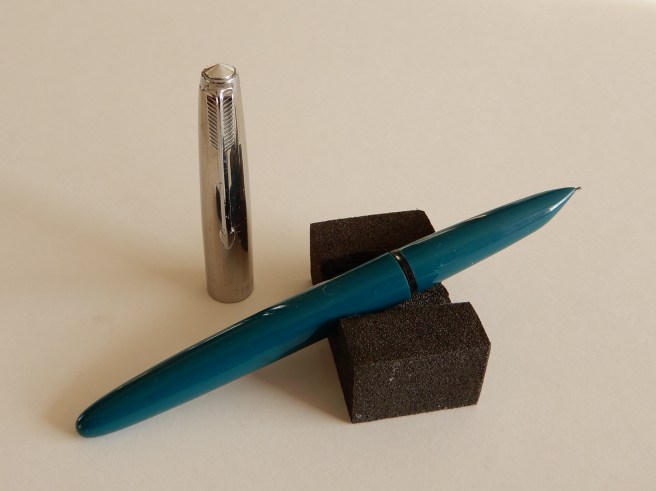
Hero 716 fountain pen.

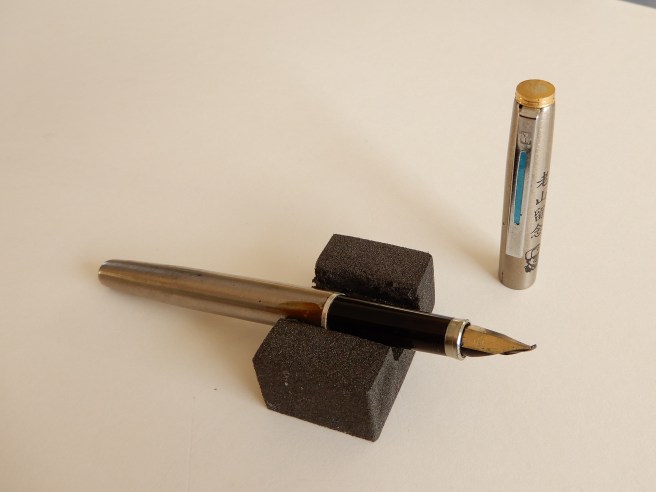
Then there were two metal pens, one being a Hero 443 in chrome finish with black section, the other a brushed stainless steel pen, with an attractive light blue reflective inlay and a letter “Y” on the pocket clip and an interesting looking curved nib. I do not know the make.

The final two were a pair of lacquered metal pens one cream coloured and one black, bearing the name Jin Rong.

I uncapped all the pens, posted the caps (taking care not to get the caps mixed up), unscrewed the barrels then took them all to be washed. With a sac filler, you do not immerse the sac in water but just the nib section and then operate the squeeze bar a few times to flush water in and out of the pen until the water runs clear. I was pleased to find that they all produced a small stream of air bubbles when I squeezed the bars, which I took to be sign that the sacs were air tight. Furthermore, all were clean. It was good to know that uncle had washed the pens before putting them away. Only the burgundy model produced a pale wisp of red ink in the water. This made me smile. So uncle also matched his pens and inks. I do that too. Perhaps this one had been used for marking school work.

After flushing and drying them all, I then tried dipping and testing each of the nibs and writing a few lines, to see which might be usable. I used Waterman Serenity Blue ink.  All of them wrote although they tended to be firm, feedbacky and not the smoothest of writing experiences that money can buy. But I was pleased that they all at least wrote and could be used.

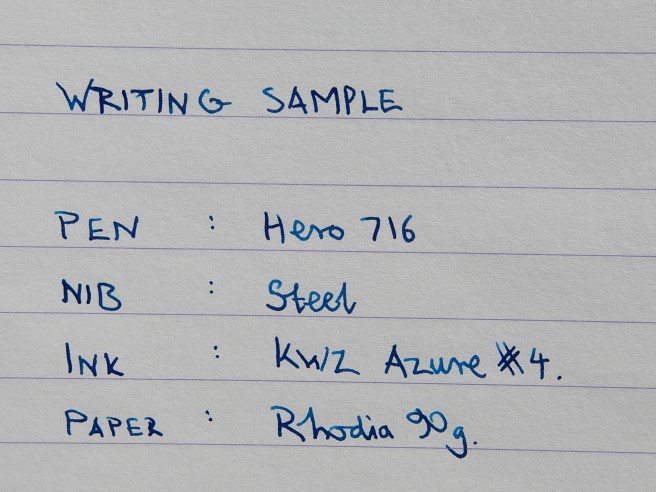
I have since chosen to ink the teal Hero 716 and the stainless steel one with the curved nib both with KWZ Azure #4.

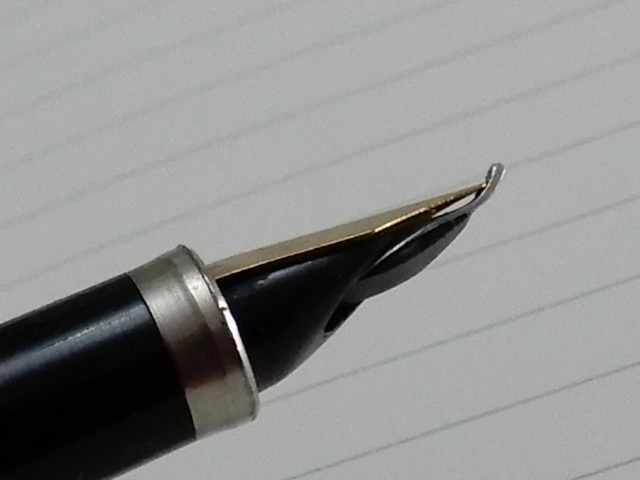
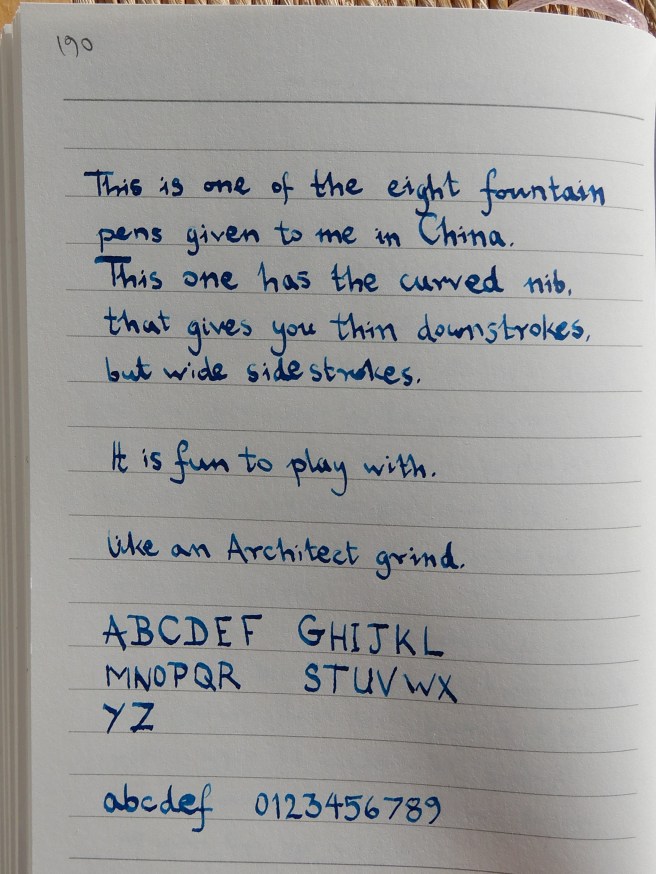
The curved nib pen is rather unusual. At first glance, the nib appears to be a gold coloured piece of metal with a fold down the centre. On closer inspection, this is not the bit that does the writing. Beneath this sits the stainless steel nib, with the tip curving upwards at about 45 degrees and beneath it, the feed unit. The gold coloured part serves to stop the nib from bending upwards any further. Perhaps it might also serve as an ink reservoir since there is a gap between it and the nib, if you are using this as a dip pen.

DSCN1467 (2)
Make unknown; a souvenir pen from a mountain beauty spot. Fude nib.

This nib produces a fine line on the downstroke and a broad line on the cross-stroke. This is rather unusual and is the opposite of what you get from a stub nib. This is similar to the writing experience from an “architect grind” nib. I found it fun to try although it takes a bit of experimenting to find the correct angle at which to hold the pen. Also, I need to write a little larger than usual to avoid loops all being blocked in.

RSCN1456
Fude nib on the brushed stainless steel pen.
DSCN1490 (2)
Writing sample from the fude nib. Ink is KWZ Azure #4.

As for the teal Hero 716, I am enjoying it, particularly with the KWZ Azure #4 ink that seems a good  match for the pen. My only reservation would be that the sac did not seem to be drawing up much ink. Perhaps the breather tube was blocked or the rubber sac had insufficient vacuum-pulling power when resuming its shape. Next time I will try to measure the ink up-take.

RSCN1489
Trying the Hero 716, with KWZ Azure #4. A good match.

It is a pity that original Parker 51s are no longer made and that you can no longer visit a local stationery store and purchase a brand new one with gold nib, but times have moved on. Fortunately, used models can readily be found at pen shows. I am told that the original aerometric filler sacs rarely have anything wrong with them, although if need be, the sac can be replaced.

It is rather old fashioned nowadays in this digital age to be using a fountain pen at all and particularly to be filling from a bottle with a squeeze bar. But as we know, this is all part of the joy of fountain pen ownership. The satisfaction of filling a pen from a bottle more than makes up for the inconvenience. For me, anyway.   I will enjoy picking up one of uncle’s old pens to use from time to time, along with my other pens. Thank you uncle. I will take good care of them.

Travelling with ink, China 2017. Part 2: Finding a Picasso.

DSCN1082
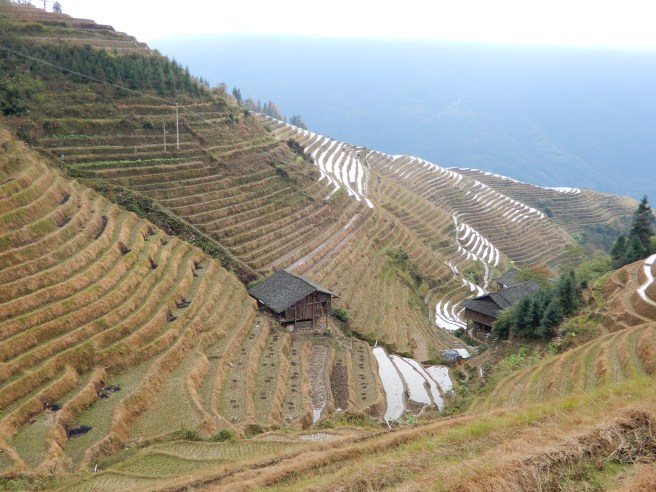
Terraced rice fields, Longji, near Guilin

Time now to conclude this two-part post, about shopping for fountain pens while on holiday in China. For Part 1: Meeting the Heroes”, follow link here: Part 1 . (Update: a Part 3 epilogue was later added).

After Shantou, we sped by bullet train at over 200 Kmph, southwards down the coast to Shenzhen, a city on the border of China and Hong Kong. Taking a short walk along a bustling shopping street near our hotel, we came to a shopping mall and department store and popped in to have a browse. The supermarket had a stationery section, with pens and exercise books. There were few fountain pens to be seen, but I picked up one which looked unusual.

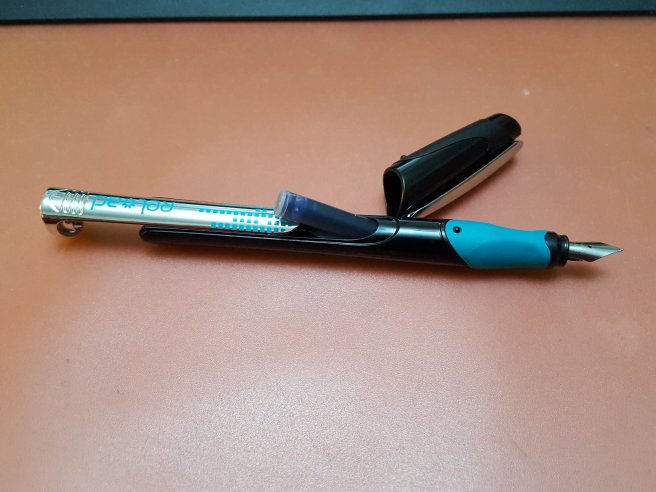
This was the Maped Reload. In a blister pack, it was not possible to handle the pen before purchase, but at around £2.00 in our money, it seemed worth a shot. The name “Reload” is a reference to the filling mechanism, whereby you slide back a chamber in the barrel, insert a standard international cartridge, plus a spare one, and slam it home again, like cocking a Winchester. The closest thing I had seen to one of these before, was a Bic Easy-Click child’s pen. However, the Maped Reload appeared to have several advantages over the Bic, in that (1) at around 138mm uncapped, it is a full size pen and does not need posting; (in fact you cannot post the cap as it simply will not fit on the barrel); (2) you get a stainless steel nib with tipping material, rather than a butterfly, folded nib tip; (3) there is room to carry a spare cartridge in the barrel; (4) you get a strong, metal pocket clip.

20171216_220658847872412.jpg
Maped Reload. Look after your thumbs when removing the cap.

The pen has a snap-on cap and a rubberised grip section with three facets and is reasonably comfortable to hold. On the down side, the pen is very plasticky as you might expect at this price point. However, that was not my biggest complaint. What really turned me against the pen was the force required to pull off the cap. Holding the barrel with my thumbs at right-angles to the barrel, I found myself exerting an ever increasing amount of lateral force on my thumbs until eventually my joints almost gave way. Moral: look after your thumbs; keep them in line with the pen, not at right angles, when dealing with stiff caps or caps of untried stiffness!

Just as we were leaving the shopping centre, I spotted a pen shop on the ground floor. The signage advertised Parker, SJ Dupont and several other well-known brands although the stock in the glass display cabinets was for the most part, either Parker or local Chinese offerings. The prices of the Chinese fountain pens were very modest and furthermore, there was a 50% reduction on all marked prices.

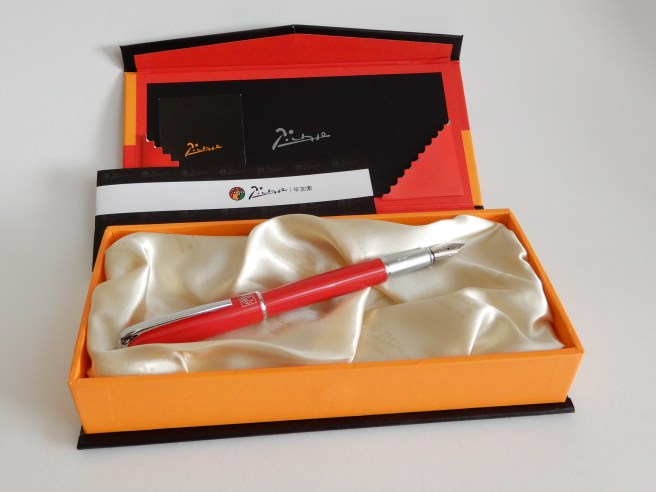
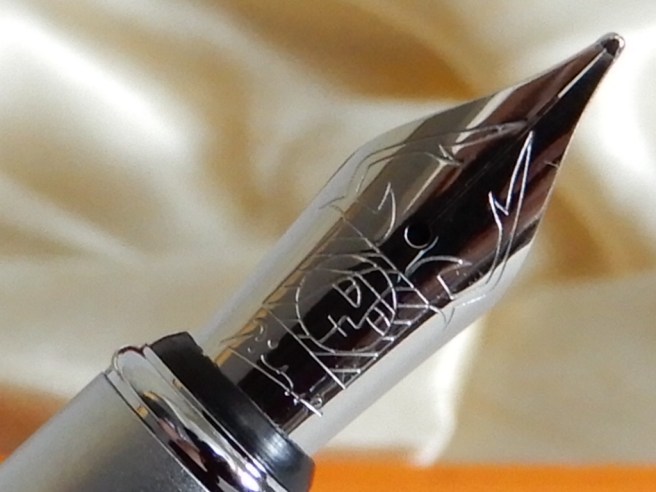
The first to catch my eye, was a bright red and chrome pen, with stainless steel nib and brushed stainless steel section. This brand was called Picasso and featured a cubist face logo on the cap and nib and the Picasso signature etched in the section. A converter was included. Metal lacquered cap and barrel. Metal threads. A decent gift box and a colour booklet. The cost? 98 RMB reduced to 49 RMB, about £6.00. And it writes beautifully.

RSCN1403
Picasso fountain pen.
RSCN1408
Cubist logo on the Picasso fountain pen nib

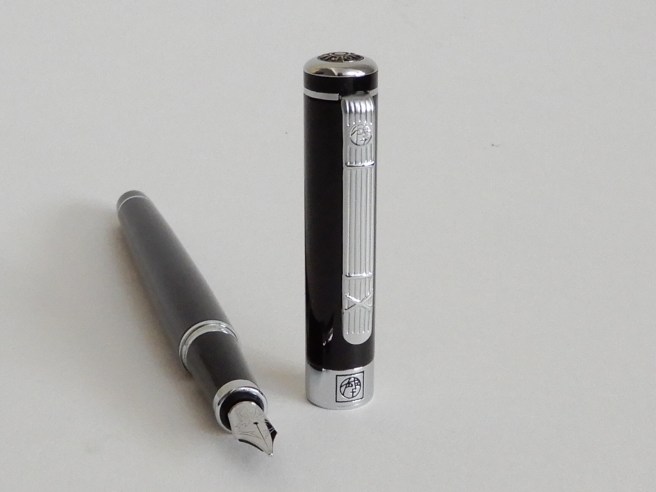
In this sudden flurry of holiday shopping activity, I picked out another Picasso, a slightly different and larger model but again, a stainless steel nib pen with metal lacquered cap and barrel and a good quality feel. This cost a little more and was called the Pimio.

RSCN1410
Another Picasso, this one is the Pimio.
RSCN1161
Picasso Pimio finial

I later read on the included booklet, that Picasso pens are produced by the Shanghai Pafuluo Stationery Co Ltd (web site http://www.sh-picasso.com, which is worth visiting).

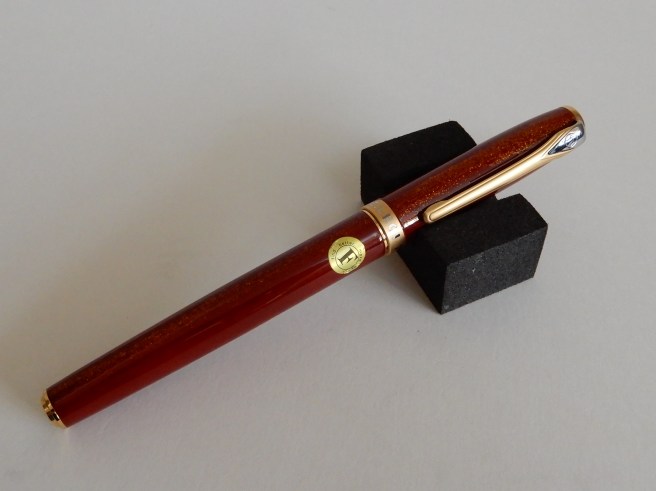
The last of my pen purchases, perhaps the most unusual and the one which had caught my wife’s eye in the display, was burgundy with three bands of gold glitter running down the cap and barrel. The pocket clip was of both silver and gold colour, nicely introducing the bi-colour 18K gold plated stainless steel nib within. This was the SZ LEQI 700. No, I had not heard of it either. It is crying out for a shimmering ink!

RSCN1418
SZ LEQI 700 fountain pen
RSCN1422
Bi-colour nib of the SZ LEQI 700

I hit upon this shop shortly before closing time and the lady was pleased to sell me three fountain pens in as many minutes. As well as the gift boxes that the two Picassos came in, she gave me one of her empty 10 pen plastic trays with see through lid which proved ideal for transporting the eight old pens that I had been given by an uncle a few days earlier.

Back at the hotel I enjoyed dipping the new additions and then inked them up with Aurora Blue Black, the only ink that I had on the trip. All wrote very well.

However, this was where my fountain pen spree came to an end. In Guilin, our next destination, after two full days of sightseeing, I was laid low with Sciatica for the remainder of the trip. Thus, once back in Hong Kong, I was not able to go searching for the elusive Pilot Custom 823. However, being incapacitated cured me from any urge for further pen shopping. So if you ever need a remedy for too much pen-purchasing, there it is. Sciatica.

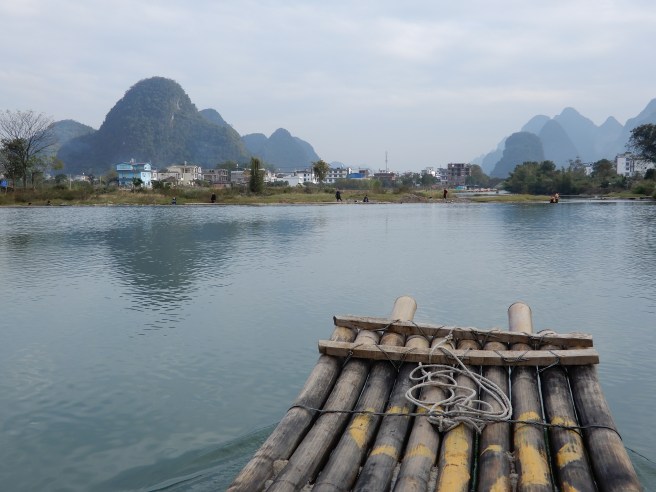
Guilin, incidentally, is the place to go to see steep limestone pinnacles. A few hours’ drive from the city, we visited the Longji terraced rice fields which are spectacular even though the colours are not the best in December. We saw women of the Yoa minority whose custom is to not cut their hair. Many had hair of over 2 metres long and I end with a few more pictures.

DSCN1033
A display of long hair from the Yao women of Longji.
DSCN1259
Rafting on the Li River, near Guilin

Travelling with ink, China 2017. Part 1: Meeting the Heroes.

Our recent holiday in China saw us spending time in the cities of Shantou, Shenzhen and Guilin plus a brief stay in Hong Kong at each end.  Shantou and Hong Kong are where our Chinese friends and relatives live, whilst Guilin was purely for sightseeing, in a spectacular region of strange limestone hills, ancient terraced rice fields and quiet rivers.

DSCN1205
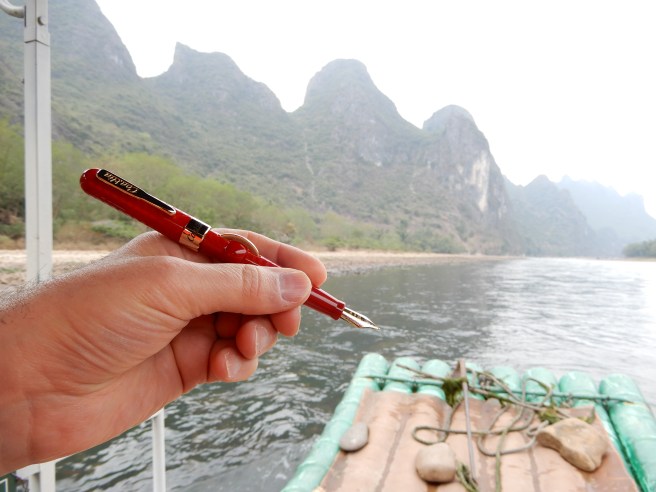
Conklin Mark Twain Crescent Filler having a selfie near Guilin.

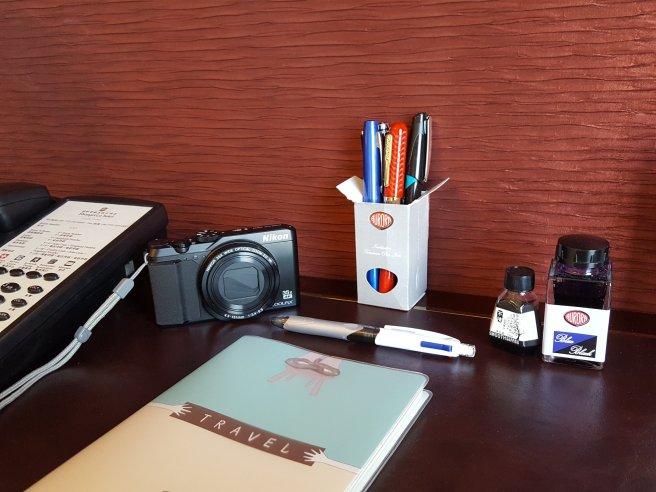
My pens chosen for this trip were the humble blue plastic Parker Reflex, filled with Aurora Blue and a red Conklin Mark Twain crescent filler, in which I had put a Jinhao nib. I judged it best to fly with the Conklin empty but carried a bottle of Aurora Blue Black ink, a recent favourite, to use when I got there. The box makes a handy pen cup.

20171201_1252231439472817.jpg
Improvised pen cup. Traveling with the bare essentials.

I had rather hoped that there might be time to do a little pen shopping in Hong Kong and possibly track down a Pilot Custom 823 and had even noted down the address of a shop to look for. As it turned out, this did not happen, owing to unexpected events but I still managed to come home with a staggering seventeen additional fountain pens (old and new) that somehow attached themselves to me during our travels.

First, on arriving in Shantou some cousins presented me with a very smart, hefty, black lacquer and chrome fountain pen, a Hero 912.  Hero is a long-established and well regarded pen manufacturer in China. This model has a bi-colour stainless steel nib, a push on cap and a Hero branded, slider-type converter similar to those made by Parker. Nib and feed were friction fit. I inked it up with the Aurora Blue Black and was very pleased with the result.

DSCN1387
Hero 912 fountain pen

Also tucked into the box as an extra gift, was a brushed stainless steel pen, which looked at first glance to be a ball point but was also a fountain pen. There were swirly patterns on the barrel and cap and the words “Beijing 2008” and so this was presumably a souvenir from the Olympic games. The stainless steel nib had some scroll work and the word “CHINA” and an Aerometric style push bar filler. This one had been inked before and had a little corrosion at the end of the section. I took it apart and gave it a quick clean but found that the sac struggles to draw up ink. Still, an interesting specimen and I will enjoy tinkering with it.

It is customary to visit the older, senior relatives first and we arranged to visit my wife’s elderly uncle, whose flat was just a couple of blocks from our hotel in Shantou. He lives with his son and daughter in law and grand-daughter, a school student. In his younger days he had been fond of writing although his eye sight was now such that he had no further use for his pens. To my surprise, he gave me a bag of eight old fountain pens, assuring me that he did not need them any more, that no-one in the family would want them and that they would otherwise only be thrown out. I was thrilled at the prospect of giving them a new home and cleaning each of them and trying them out.

DSCN0612
Uncle passing on his fountain pens to the next generation.

Uncle’s pens were all Chinese and included four with hooded nibs and steel caps, of the Hero 616 type and similar – being a Parker 51 Aerometric copy.  He had one each in teal, burgundy, grey and black. Then there were a couple of brushed stainless steel pens and two laquered pens with the name “Jin Rong” and one which appears to have a fude nib. All eight pens had the Aerometric style push bar filler. I shall enjoy cleaning them up and seeing how they write.

I had an interesting chat to his grand-daughter, aged 17, who had studied English since the age of 10.  Her bedroom in the modern flat was a marvel of storage space solutions, with hidden compartments under the floor, under the bed and under the bench seat in the window. School starts at 8.00am each day and they have nine subjects for homework.

During our few days in Shantou, we did visit a modern shopping mall, on three floors with a huge Walmart supermarket and car park occupying the basement levels. We browsed around, what were mostly clothes and shoe shops. I did not find any stationery shops. However, in Walmart, to my delight, there was an entire aisle of stationery – with writing materials on one side and notebooks on the other. There I saw some Lamy Safari-style pens (shall we say, Safari tributes or homages), plus some other models not available at home in England and at very low prices, all hanging up in blister packs.

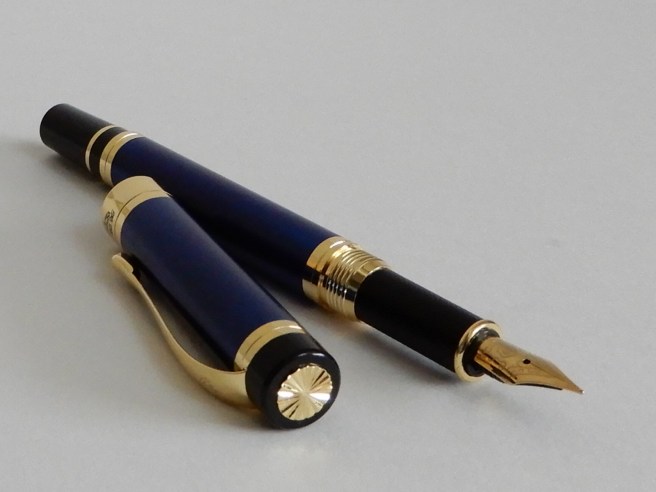
Perhaps the most inviting of these was a Hero 975, in a metallic blue finish and gold. Displayed in a sealed pack but in its opened gift box within, the pen appeared to have a screw on cap which appealed to me. Add to basket. I leafed through the other models behind it on the peg. One pack had been sliced open and the pen removed, which was sad to see, given its modest price.

RSCN1399
Hero 975. No, those are not cap threads; the cap just pushes on.

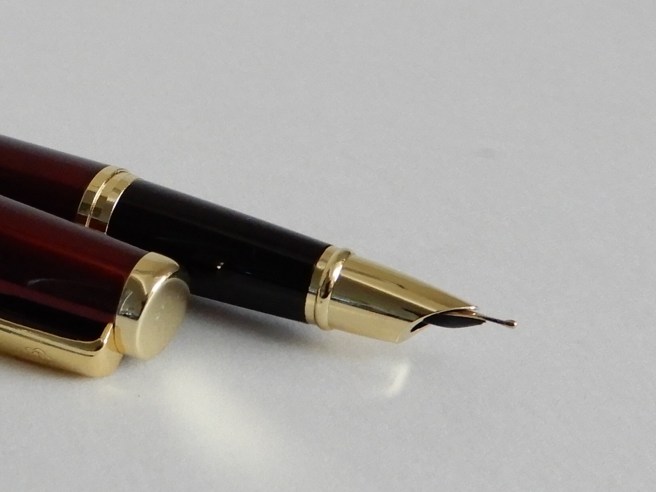
Also there was another Hero, the 2017. Again, I had not seen one before and it was notable for its very rich coloured laquered cap and barrel, (in blue or burgundy) and a hooded nib in a half metal section. At just a few pounds each, I took one in each colour. The blister pack also included a 15ml bottle of ink! I picked up a nice bound A5 notebook too.

RSCN1395
Hooded nib of the Hero 2017 fountain pen.

I may review these in due course. For now, I should add that the Hero 975 does not have a screw cap and that what appear to be cap threads are just part of the design. The cap simply slides on over them. Still, it is quite a handsome pen.

As for the Hero 2017, with its hooded nib, this came with a converter and performed reasonably well. The finish is lovely. However, the bottle of ink that it came with turned out to be almost useless. Instead of the jet black that I had expected, it was a very weak wishy washy sepia and barely legible and I threw it away. I cannot believe that this is how it was intended to be and so it was perhaps just a faulty batch or past its best.

More China pen stories to follow in Part 2.


The joy of macro.

RSCN0036
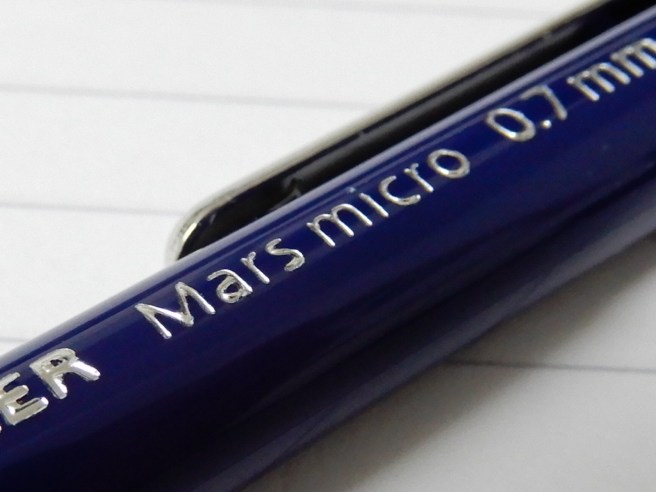
Staedtler Mars micro 0.7mm mechanical pencil

Who doesn’t love a mechanical pencil? I already have several but could not resist this one when it was less than half price in our local Rymans.

Recently, I have been enjoying a revitalised enthusiasm for photography, prompted by the acquisition of a new Nikon Coolpix A900. New camera day! I was attracted by a host of exciting features, particularly the articulated screen, the ability to shoot macro from 1cm, a massive x35 optical zoom with Vibration Reduction, (Nikon’s anti-shake), 4K video, 20 million pixels, Wi-Fi connectivity and many more. It was some years since I last bought a new camera, if you do not include mobile phones and things have move on a lot in that time.

There are a few things that it doesn’t have, such as the ability to shoot in RAW, or a touch screen, which I decided that I could live without. Exposure compensation settings are readily to hand, as are white balance settings and colour adjustment. It is wonderful to be able to have white paper looking white, even if taken under artificial light in the depths of winter.

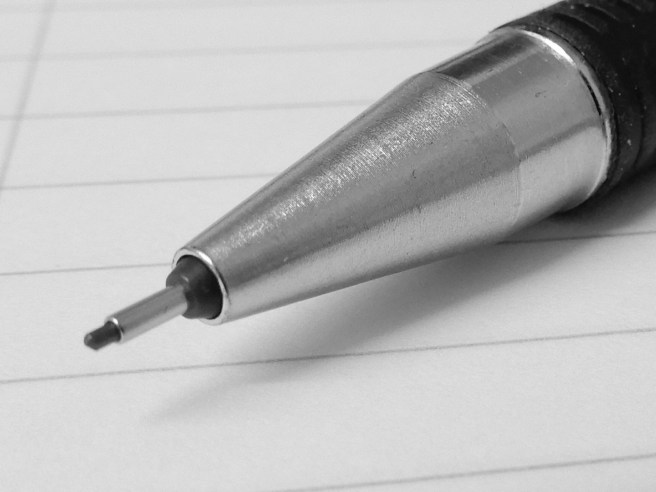
It is the ability to take macro shots with such ease, that I have found most exciting. Even hand-held shots seem acceptably sharp but with a small tripod, combined with a two second self-timer delay setting it is better still. Here is my new pencil again.

RSCN0177
Getting up close with the Staedtler mars 0.7mm mechanical pencil.

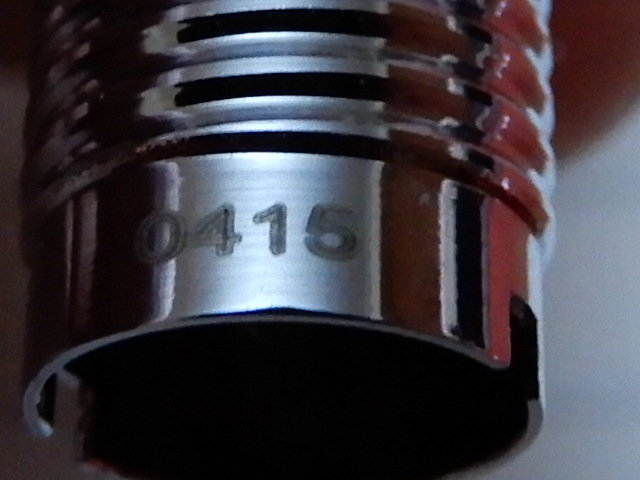
Here is the production date stamp on the elegant black and chrome guilloche Cross Century II fountain pen:

RSCN0302
Date stamp on the collar of a Cross Century II fountain pen.

Obviously it is tempting to try the other extreme and see how the telephoto performs. I tried a quick shot of the moon, with a manual exposure and a few stops of under exposure. This was the result:

RSCN0073
The moon over London. The farthest subject that I have photographed so far.

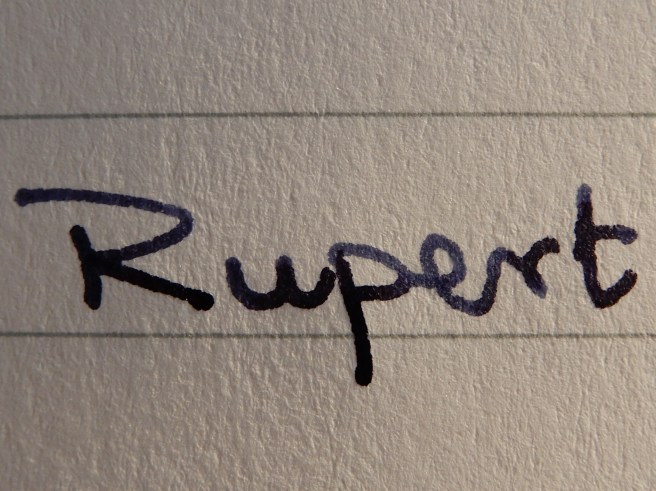
Finally, one of the subjects that I wanted to photograph better, was paper. Not ideal with a mobile phone. I wanted to be able to capture the texture that you see, particularly under high magnification and with a low wintry sun slanting in to add contrast to the ups and downs of the paper surface. I shall continue experimenting with this but am always impressed and appreciative of the professional looking close-up photography that I see on fellow bloggers’ sites. Working during the week, there is limited time to enjoy the daylight hours at this time of year but sometimes it all comes together with a bit of sunlight at the weekend. Here was one of my early efforts. I used to think that Paperchase soft flexi notebooks had very smooth paper but under high magnification, the surface looks more like a newly plastered wall. Most of my fountain pens love it.

RSCN0115
Paperchase note book. Conklin Mark Twain Crescent Filler, with Jinhao X450 medium nib and Aurora Blue Black ink.


A quick look at the Parker Reflex fountain pen.

I spotted this pen in the window of a shop selling mostly greetings cards and only a few pens, most of which were ball points. It was in a small grey Parker gift box, with the clear plastic lid and appeared to be rather dusty and in need of rescue.

20171114_085544.jpg
Parker Reflex fountain pen

I was surprised to see this model currently for sale. I remembered the Parker ball point pens with this distinctive rubbery grip section. I had one which has lived in my camera bag, for some 10 years or so. It was good to use outdoors, for jotting down exposure details, when using old twin lens reflex cameras. I did not remember there being a fountain pen. I have had the ball point pen for so long that I had forgotten that it was called the Reflex and had to look that up.

I decided to liberate the pen which at just £11.00, was less than I had paid for two hours’ parking at London Gatwick Airport earlier that day. I was particularly attracted to the grip section, having been thinking a lot lately about the problem I am having in gripping the slippery but otherwise enjoyable Lamy aion. I had even toyed with the idea of buying rubber thimbles, as used by clerks in post offices for counting paper.

At home, I gave the Reflex a good wash. What I had thought was dust, was actually the result of the cap and barrel having faded in the sunlight, except where the barrel had been covered by the posted cap. You can see the tan lines. I flushed out the nib section with a bulb blower.

Examining the nib under a loupe, I was delighted to find that the tines were level, that the tipping material looked symmetrical and that all looked generally well. I have often found that inexpensive modern pens do not write well straight out of the box, due to poorly finished nibs. Not so with this Reflex though.

It did not come with a converter, or even a cartridge, or any paperwork, which makes me wonder about this one’s history. There is a date code, TII on the cap. This is a bit of a puzzle. I understand that T denotes a year ending in 5 (under the QUALITYPEN system, where Q is zero). The II means that there were two quarters of the year remaining and so this was made in the second quarter. The cap is also stamped PARKER, MADE IN UK. I have read that the Newhaven factory for Parker production in the UK was closed in 2011 and so if this pen was made in the UK, in a year ending in a 5, that would suggest 2005. Could it be that this new pen had not yet been sold in 12 years?

I inserted a basic Parker converter, with the slider fill and metal agitator ball. The converter pushed in nicely, but so deeply behind the long threaded collar that the entire clear plastic reservoir area was covered. Thus you could not see how much ink it was holding.

20171110_184722.jpg
With Parker converter inserted, (the ink reservoir being entirely covered by the threads)

I decided on a royal blue ink to match the barrel colour and chose Aurora Blue. It wrote nicely, smooth and with ideal ink flow! That is often the gamble, part of the risk and thrill of buying a fountain pen. I enjoyed trying it out on various notebooks. At 132mm long unposted, the pen is a good length and pleasant to use. However, the cap is very light and posts securely and deeply and I prefer to use it posted, for that extra length, weight and comfort.

The rubber grip section works well. It has an unusual finish, like cross-hatched tyre treads. If you want any more grip, add snow chains!

The nib appears to be the same as in the currently available Parker Vector fountain pen. You do not expect marvels at this price level but if you are lucky enough to have a Vector style nib that performs well, it can be a real joy, with lightweight and effortless writing, if you just want a simple writing tool, to write without much flex or character.

Viewed in profile, the nib and housing are reminiscent of the Parker 45 fountain pens that I used through my secondary school years and give a very similar writing experience.

Description

This is an entry level cartridge-converter type fountain pen (although neither cartridge nor converter was supplied in my case). The pen is a good size and has a light plastic body, but features an easy to grip rubbery section. The cap simply pushes on and off with a snug fit, over the chrome ring behind the rubber grip. The pocket clip features a modern look Parker Arrow. The clip is sprung, making it easy to use. The cap is not airtight and this might be due to a design decision to reduce risk of choking, or perhaps to avoid pushing air up through the nib each time the pen is capped. The stainless steel nib in my model is a Medium. The threads on the section are plastic and very long, needing about ten twists to unscrew the barrel.

Specifications (approximate)

Length closed: 141mm

Length opened: 132mm

Length posted: 155mm

Weight, capped and with converter: 14.5g

Uncapped: 10g

Cap: 4.5g

Conclusion

The Parker Reflex is a good answer for anyone who likes the Parker Vector nib but who wishes that the body was slightly wider and that the grip was fatter, easier to hold and more comfortable. I am delighted with mine and think it was excellent value.

20171110_185556.jpg
Parker Reflex fountain pen, next to a Lamy Safari

Happy Fountain Pen Day

In recognition of today being Fountain Pen Day, I thought to do a short post about one of the pens that I have with me today.

This is the Conklin Mark Twain Crescent Filler, red chase. This was one of my happy purchases from the London Pen Show last month.

I had long been interested in the Crescent Filler and enjoyed reading of its associations with Mark Twain. The current model is not quite the same as the one from the original Conklin pen company that he would have used. I did spot a vintage black Conklin crescent filler at the same pen show and noticed how much thinner it was than the modern one.

At a very attractive show price, I came away with two of these, one in orange (or coral chase) and one red chase.

20171001_180558
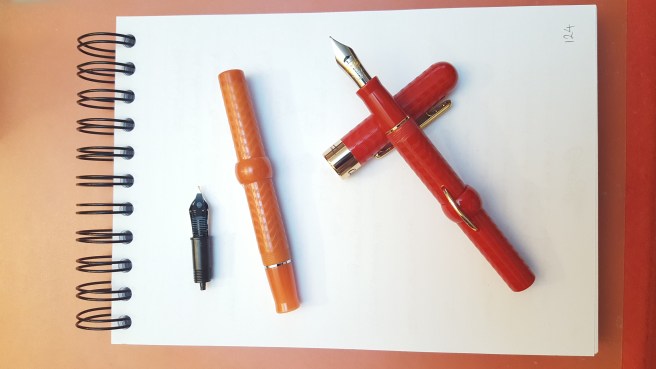
Conklin Mark Twain Crescent Fillers, in coral chase and red chase finish.

The beauty of these pens is the lovely nostalgic feel of dipping into a bottle of ink, squeezing the crescent-shaped filler button slowly a few times and allowing the sack to fill, before locking the button again by twisting the collar back again.

The only downside is that you cannot see how much ink the pen has. There is no ink window. Also the barrel is glued to the section and so you cannot unscrew it to gauge the ink remaining. (Actually, on one of my models, the glue seal had been broken and so I was able to open it, but even then you cannot see through the dark rubber material of the ink bladder).

One thing to remember when washing these pens, is to avoid allowing water in to the barrel, through the slot where the crescent filler sits. This is because the bladder has a dusting of talcum powder to stop it sticking or rubbing on the filler bar.

If you do unscrew the barrel, then the metal filler bar can be removed. I was impressed at how long a bar there is, to press on the ink bladder and so this helps to get a good fill. To put it back again, with the crescent pushing out through the slot, you will need some tweezers. A Swiss army knife came in useful here.

Quite how much ink it draws up, I have not yet measured. However, I did find that, with a medium nib, I wrote 37 pages of an A5 size journal on the first fill, which I was very happy with. That was the coral chase model, with Diamine Oxblood ink.

20171002_175152
My red chase Crescent Filler, prior to nib swap with a Jinhao X450.

On the red model, this came with a Conklin Fine stainless steel nib. This turned out to be slightly catchy. On close inspection, it seems that the left tine was fractionally longer than the right so that in normal writing, on side strokes from left to right, the proud edge was snagging on the paper. I need to have a go at it with my handy micro-mesh kit, also bought at the same show.

Meanwhile however, I was delighted to read that the nibs of the crescent filler are easily swapped. The nib, feed and housing can simply be unscrewed from the section. Alternatively you can extract the nib and feed, which are friction fit, by pulling them out carefully, taking care to avoid damaging the fins of the feed, or distorting the nib itself.

Yesterday evening I swapped the nib with one from a Jinhao x450. I have not swapped the feeds, but just the nibs.

I now have the red crescent filler, with a lovely Chinese Jinhao x450 medium nib and filled with Aurora Blue-Black ink (same pen show as well), which I am enjoying.

Coincidentally, I had to visit the China Visa Application Service Centre in London today, to pick up my visa for a trip to China later this month, so it was good to have my red crescent Jinhao-nibbed Conklin for company.

A few early thoughts on the Lamy aion fountain pen.

I had intended, before the month is out, to write a post or two about the pens that attached themselves to me at the London Pen Show on 1 October 2017. However, normal business has been interrupted by the arrival of the Lamy aion and so today I am instead writing about what is currently on my mind, which is this new beast.

Having come away from the pen show very happily, with five extra fountain pens, the last thing I needed was another pen. Furthermore, I have been using a Kaweco Dia2 a lot lately (which was not one of my pen show pens) and have found myself thinking how super-comfortable and enjoyable it is, such that further pen acquisitions are not necessary.

When the new Lamy aion first came to my attention, I took little interest. But after hearing more about it, I sought out some reviews and spent an entertaining evening in watching several YouTube reviews which sparked further interest.

The anticipation.

I had still not seen one in the flesh. My only concern was that it was an aluminium pen and that in general I am not a fan of metal grip sections. For that reason I had stayed away from the Lamy Studio. After assimilating multiple reviews, I found myself assured that the grip problem had been addressed and decided that the aion was a must have item.

I will not recite what has been said, on Lamy’s official web site and in several online reviews. Suffice it to say that this is a new design, by Jasper Morrison, a modern and un-flashy cartridge-converter pen with strong leanings towards minimalism. Promotional videos showed immaculate, sparsely furnished offices with architects’ drawing boards and angle-poise lighting, into which the modern, minimalist aion blends effortlessly.

Whilst this is good aspirational stuff, I could not help thinking that if my aion is to find itself in a crowded pen cup (or silo of pen cups) with currently well over twenty other inked fountain pens then this is not proper minimalism. But never mind that.

After a few days mulling it all over, I went ahead and ordered one, in black, with a fine nib. I chose to order through The Writing Desk, as their price included the Z27 converter and they test the nibs before despatch.

Waiting for the pen was exciting. I enjoyed thinking what ink to put in and settled on a safe Waterman Serenity blue to start with.

First impressions.

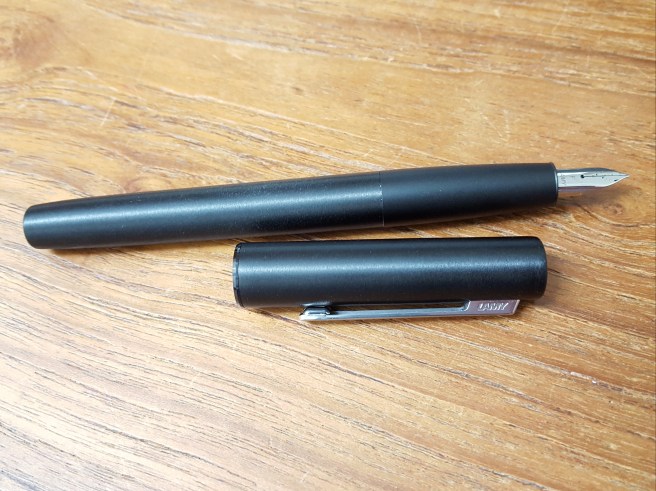
First impressions when it arrived were good. It is a stealthy matte black finish, and feels very robust and a nice weight (32g capped or 22g uncapped). The finish of the cap and barrel is slightly textured, like a very fine grade of micro-mesh. Lamy’s description is “Brushed and blasted surfaces are refined with a brilliant silk-matt anodic coating finish.” (Anodised, means coated electrolytically with a protective or decorative, oxide surface). I particularly like the length, a generous 137mm opened and unposted. It is a comfortable length to use unposted, even for my fairly large hands. I also very much liked the sprung pocket clip; just press the top of the clip and it opens to allow you to slip the pen in or out of a jacket pocket one handed. My Lamy logo clip does this too.

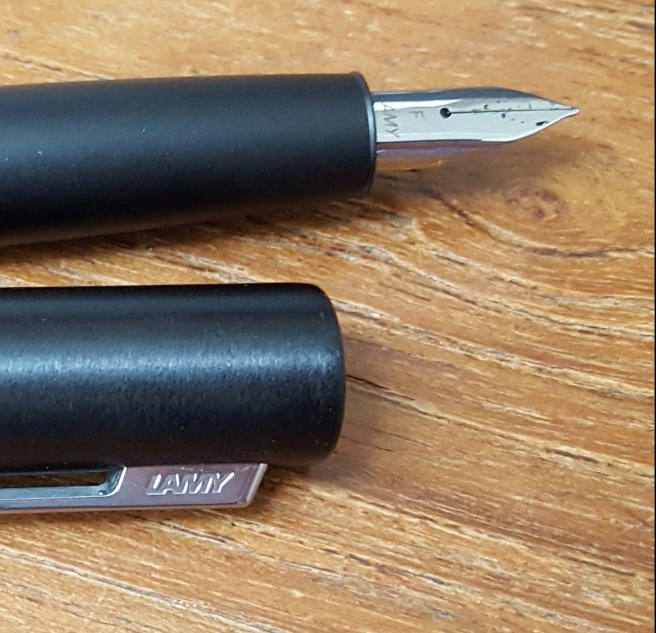
The nib is a slightly different shape from the usual Safari Z50 nibs. The outside edges have a different contour, the shoulders being more rounded, yet the the new nibs are still interchangeable with them.

20171025_192043.jpg
Lamy aion with new shaped nib

There are similarities with the Lamy Studio, in the shape of the section. Also, the plainness of the design, an air of undertstatedness, reflects the much admired Lamy 2000 of 1966.

The cap snaps on and off firmly. I think it is secured by the flange at the nib-end of the section, clipping into slots in the inner cap. When capped, the pen can rotate in the cap and there is just a little movement of the pen which can be wobbled from side to side in the cap, but not such as to be a problem. With cap removed, the section blends almost seamlessly into the barrel, with no threads, no step, no slightly tickly cap-fitting lugs. You can hardly see the join, except for the difference in texture.

So, what of the section? Again, it is aluminium. It looks stunning. But what is it like to hold? It has some texture to it but different from the cap and barrel and less grippable. Personally I would have preferred it to have at least the same amount of roughness as the barrel. But I am not a designer, just a user.

The writing experience.

Here, I have had differing experiences. As we know, a pen is held between finger and thumb and rests on your second finger under the section. The nib must be held to the paper at the optimum angle (finding the sweet spot for your nib) and then held consistently as you write. We rely upon being able to anchor the pen with finger and thumb to stop it from slipping and rotating left or right away from the sweet spot.

So, if your thumb cannot get a grip on the barrel or section where it is placed, the pen will slither around. Writing becomes frustrating. You will need frequently to release your grip (such as it is), rotate the pen back to where you want it, and then grip again.

In my case, (remembering that I have had the pen for only a few days) I have found marked differences in how I get on with the pen. This is all down to the moistness of the skin, which seems to vary at different times of the day. If your skin is dry then this pen is hard to hold steady. It feels a bit like the inside of a Teflon saucepan.

But when your skin has a slight amount of moisture, (and it only needs a very little to make all the difference) then the pen can be held steady and writes like a dream. It is nicely weighted towards the front end. The nib needs no pressure at all. The pen writes effortlessly under its own weight and you just guide it along.

I should mention that I tried Serenity blue ink at first but later flushed this out, gave the pen a good rinse and then refilled with Conway Stewart Tavy, by Diamine which is a nice blue black, that I like. I have noticed that sometimes ink starvation occurs a couple of paragraphs in which is just due to the ink staying at the far end of the converter and this is easily remedied by a light shake and then all is well.

20171025_192015.jpg
Note the slight difference in finish between the barrel and the secion

I think the pen likes to be held with a light touch. I keep having to stop myself from gripping it too tightly. Once you learn to let go a little and let the pen do its thing, then it is a joy to use. But it all depends on the degree of moisture in the finger and thumb!

If all this sounds too much trouble then it is wise to get some hands-on experience of the pen before buying. Or some moisturiser.

As a final thought, after just a couple of days use, when picking up my super-comfy, perfectly sized Kaweco Dia2, I felt that the latter was a little narrow in the grip. So how the aion feels will also depend on what you are used to. Here they are together.

20171024_132925.jpg
Lamy aion (right) next to the Kaweco Dia2

My haul from the London Pen Show 2017.

This was my fourth time, attending the annual London Writing Equipment Show (LWES).  It was held on 1 October 2017, at the Holiday Inn, Coram Street, near Russell Square. Knowing broadly what to expect, I had been much looking forward to it.

Oh my, what a treat for the fountain pen obsessed  enthusiast! The venue comprises one large main function room at the hotel, plus the adjacent corridors, all filled with lines of tables, covered with enticing displays of fountain pens old and new, inks, spare parts, accessories and other paraphernalia. There is something for everyone, whatever your level of interest in this addictive hobby.

This year, for me there was an added bonus, of finding several familiar new friends from the recent Pelikan Hub, just over a week earlier. It was good to see them again and to have a chat and share the excitement.

It was very warm inside and rather too crowded, until it thinned out in the afternoon. It is a good idea to find a coat rack and leave your jacket somewhere. I had brought along some cash but not quite a big enough bag, as it turned out, for the purchases I made. I had not come with any firm ideas of what to look at. Last year I bought a vintage Parker 51 from Graham Jasper’s table. I had a vague plan to pick up another, but did not in the end. I had also planned to have another look at the Conid Bulkfillers, the Belgian made, precision-engineered masterpieces that I eye up every year, although I still came short of buying one.

Thus browsing, with an eager eye and an open mind, I managed to limit myself to just five new pens, (all new, but all stainless steel nibbed, modestly priced pieces), three bottles of ink and a craft box of assorted grades of micro-mesh for those occasional attempts at nib adjustments.

20171007_095206
My day’s shopping: Kaweco Allrounder, Conklin Mark Twain crescent fillers in red and coral, TWSBI Classic and a mystery pen. Plus three bottles of ink and a micro-mesh kit.

My first catch was the Conklin Mark Twain Crescent Filler. I had been attracted to these from seeing them online, but thought them to be rather over-priced for a stainless steel nib pen. However, at a very attractive price at the Show, I picked up both a Red Chase and a Coral Chase model, with fine and medium nibs, respectively.

20171007_100824

Next, and still before reaching the main hall, I lingered at the Kawecos. I have been using a Kaweco Dia 2 in recent months, which I have been delighted with and find super comfortable. At the Show, I saw the Kaweco Student and the Kaweco Allrounder, for the first time in the flesh. I was drawn to the Allrounder in a vibrant red aluminium (I think) body. It takes the same nib and feed unit as the Dia 2 or Al-Sport. I bought the pen with an Extra Fine nib, plus a Fine as a spare. These nib units are only about £8.00 and can often be fantastic, if well made.

20171007_095559
Kaweco Allrounder, with Extra Fine nib.

Next I bought a spare bottle of ink, the Conway Stewart Tavy, by Diamine. I bought a bottle of this two shows ago and have used it a lot, as an attractive blue black. It is sometimes out of stock on web-sites and so I was pleased to get a spare.

A few tables on, I met the gentleman selling Aurora pens and inks, who remembered me from previous years. It was wonderful to see these stunning beauties on display, including the Optima in what I presume was the burgundy auroloide resin, a grail pen for the wish list although surprisingly light to pick up. However I did buy a bottle of Aurora Blue Black ink, only available since April which I had been keen to try.

I had a look at the Onoto pens. Again, very desirable, but quite an expensive outlay for an unplanned purchase.

Now – the main hall! It can be a bit overwhelming, the sight of so many pens and people all in one place. A prominent display of Pelikans with a giant plastic Souveran model, indicates Niche Pens’ table, with a good range of Pelikan pens to handle, including the M120 and the entry level Pelikano.  Next there were Noodlers and TWSBIs. At the vast vintage Parker table, (Graham Jasper) I was impressed to see an open, 80-pen case display of Parker Duofolds, grouped with about six of each colour. Another grail pen.

Several tables had nostalgic fountain pen branded signage of a bygone era and I regret not taking some photos of these lovely displays.

Another pen purchase, was an unbranded, large clear demonstrator pen with a black cap, displayed in gift box with a syringe included for eye-dropper filling, as an alternative option to the included converter. There were several colours and I chose one with nice blue end-cap, section and strikingly bullet-shaped barrel end. The nib looked to be a very smart, stainless steel Medium with some scroll work but with an empty space where you might normally expect to see the words Iridium Point, Germany. This I call my mystery pen. I also found a stack of Micro-mesh craft kits and added that to my stash, thinking it would be useful to have the means to do some very rudimentary nib-smoothing if the need arose.

20171007_100417_001
A mystery pen. No noticeable branding on nib, pen or packaging. But it is a beauty!

Several fascinating laps later, I was nearly ready to go but paused again at the TWSBI’s. It was at this same show in 2014 that I bought my first TWSBI, a clear Vac 700 that I love and use regularly at work.  I have since added a Diamond 580 and an Eco. Now, someone next to me was trying the TWSBI Classic in a cute Robin egg blue. I had not handled one before and rather liked the faceted cap and barrel, the shiny metal piston knob and the small clear ink window (picture your favourite ink here!). I bought one, in white. Not exactly an Aurora but it has an ink window. They also had a few KWZ inks for sale (of which I have read great reviews) and I bought a 60ml bottle of Azure #4.

20171007_095723
Oh, go on then. A TWSBI Classic, new model with postable cap. Now inked with Sailor kiwa-guro.

Having a New Pen Day x 5 was rather indulgent, admittedly. I therefore decided to ink only one more pen a day, throughout the week, to prolong the enjoyment. And it has been enjoyable. Each one has been a success and I am thrilled with my purchases.

20171007_100613
Conklin Mark Twain Crescent Filler. Currently inked with Diamine Oxblood and going nicely.